- Full CQC registration
- Consultant-led from first consultation to last follow-up
- Overnight care in our exquisite hospital, with our own team
- Two-consultation cooling-off policy
- Direct out-of-hours telephone access
Why Choose Abdominoplasty?
A considered approach to restoring the shape and strength of your abdomen, with surgery performed in the safety and comfort of a full private hospital. Whether your body has changed through pregnancy, weight loss or simply over time, a tummy tuck can address loose skin and separated abdominal muscles to create a firmer, more balanced abdominal profile.
Tummy Tuck at a Glance...
Your procedure at Berkshire Grove will be performed by leading consultant plastic surgeons in the comfort and safety of a fully equipped luxury private hospital.
- Full CQC registration
- Overnight care in our exquisite hospital, with our own team
- TEAM TO SUPPLY: confirmed procedure count
- Scroll down to view before and afters and meet our consultant plastic surgeons
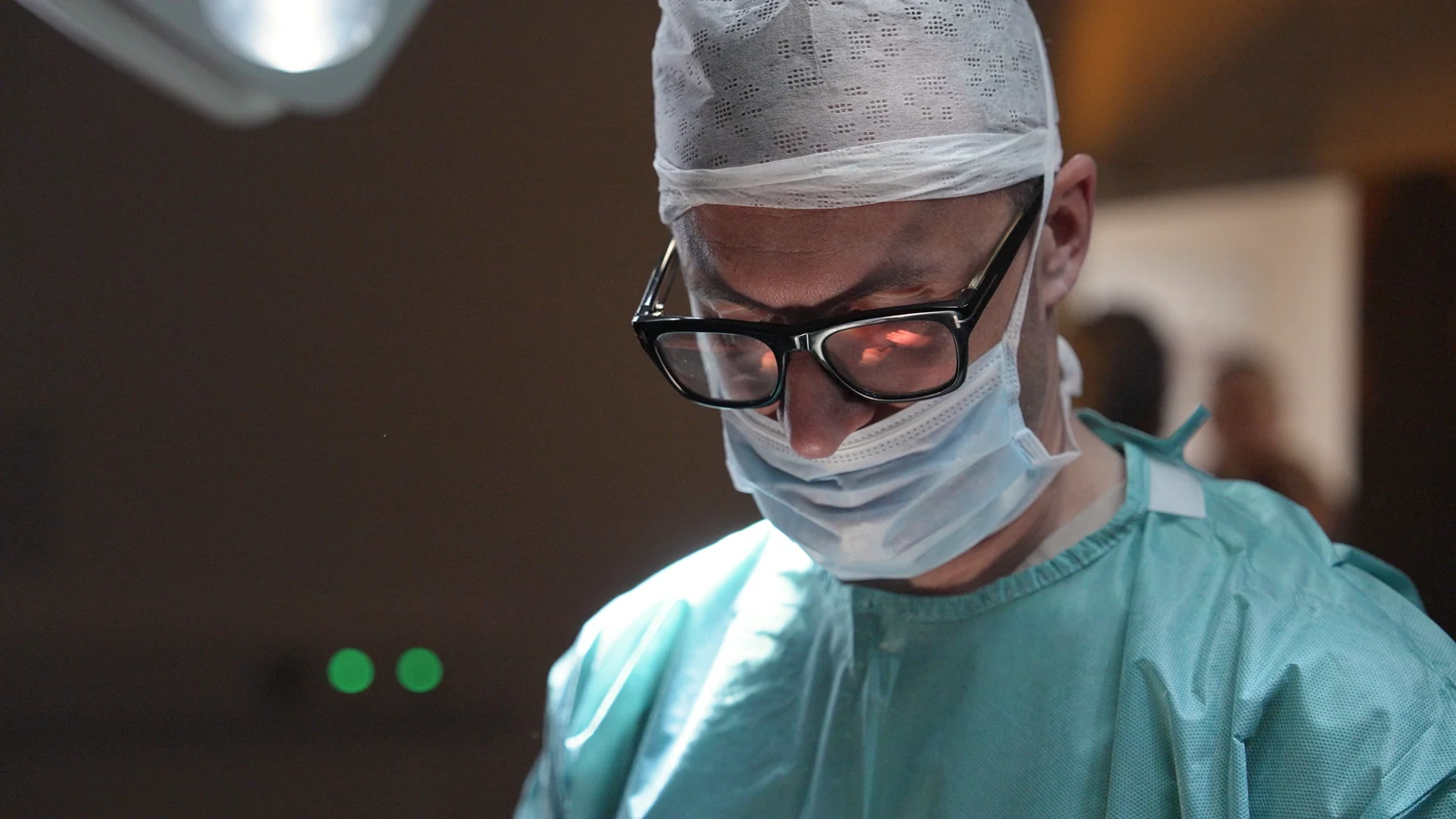
What an abdominoplasty does
Two things at once. It removes the apron of loose skin that often remains after pregnancy or weight loss, and it tightens the muscles of the abdominal wall - particularly the gap that opens up during pregnancy (diastasis recti) and rarely closes fully on its own. The result is a flatter, firmer abdomen that diet and exercise alone cannot achieve once the skin and muscle have stretched.
Who it tends to suit
Patients who have completed their family and reached a stable weight, post-bariatric patients whose loose skin won't respond to anything else, and people whose abdominal wall hasn't recovered after pregnancy despite good general fitness. Most suit a full abdominoplasty; some are better suited to a smaller mini procedure - your surgeon will advise at consultation.
Tummy Tuck
Before and After Photos
TEAM TO SUPPLY: real image files, signed patient consent, captions and disclaimer.
Looking for more results? View our
full patient gallery
or read individual patient stories below.
The Consultation
Process
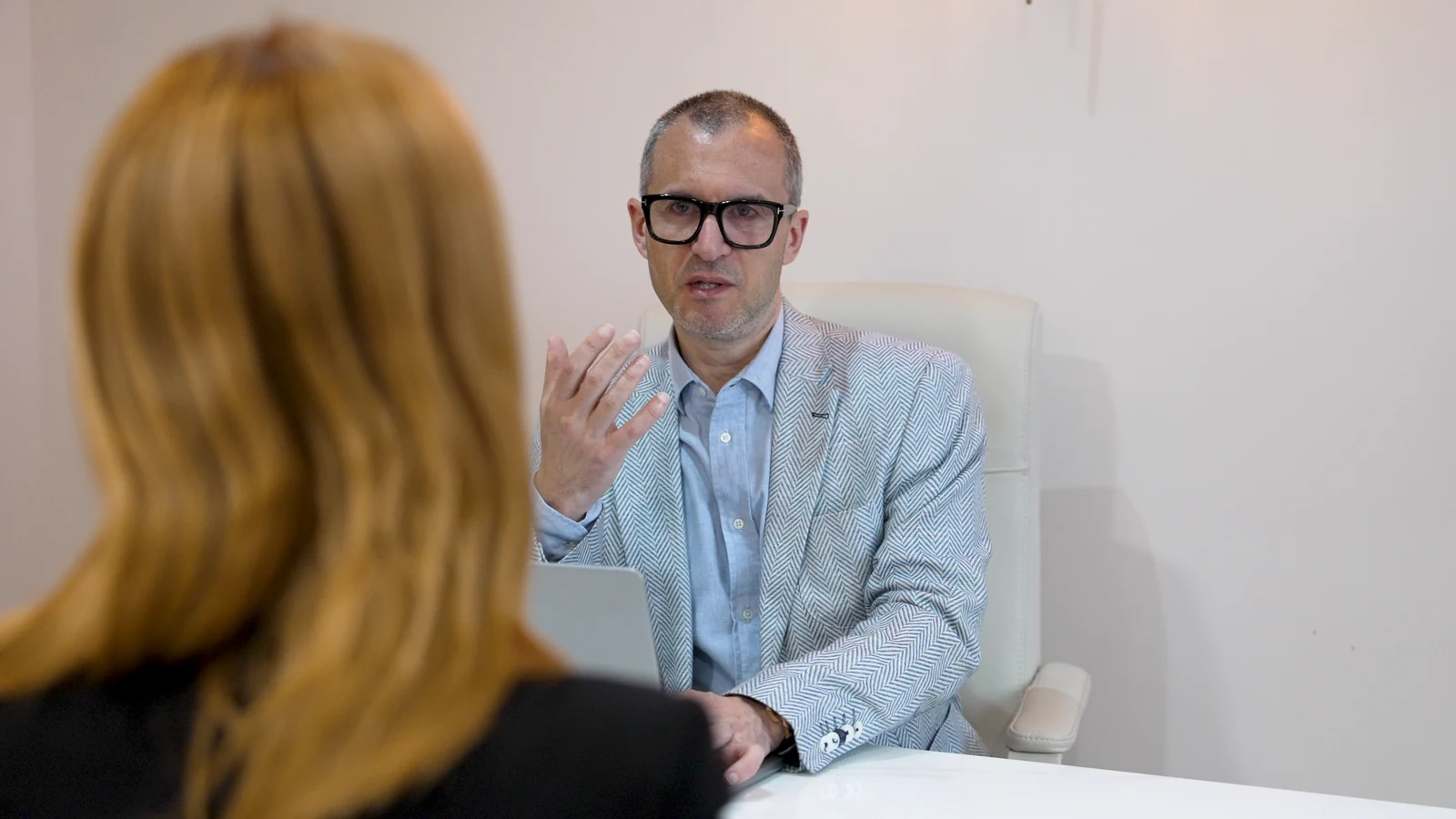
Your first visit
Explore Your Options
A full clinical assessment with the consultant who would perform your surgery. Examination, medical history, photographs (with your consent) for surgical planning, and a detailed conversation about what you want, what is realistic, what the procedure involves, what it will cost, and what recovery looks like. You will also meet our nursing team.
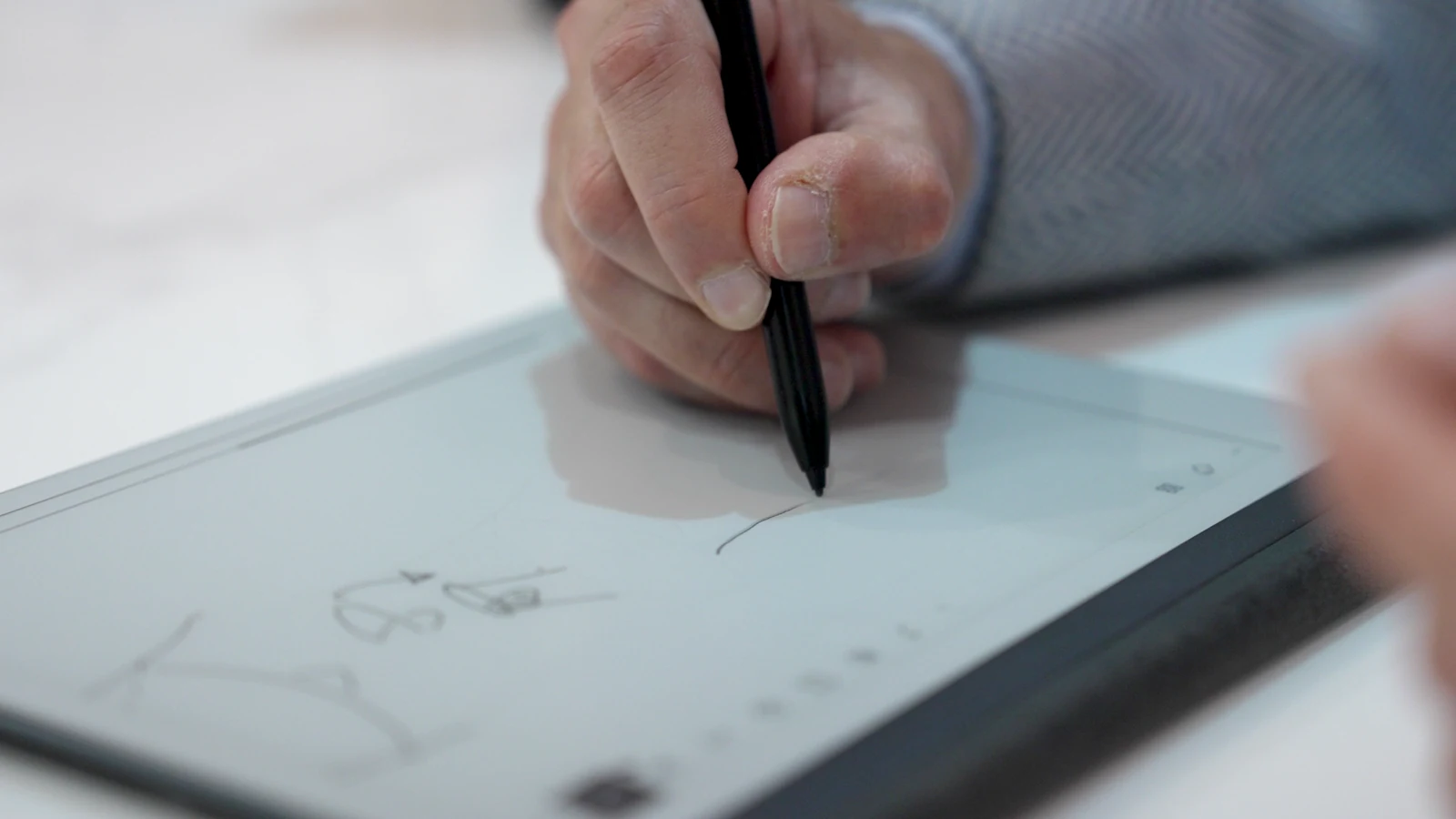
Your second visit
Decide if You're Ready
UK guidance for cosmetic surgery requires a cooling-off period and a second consultation before any procedure is booked. We firmly agree with this. It gives you time to consider what you discussed, write down further questions, and come back when you are sure. No surgery is booked from a single consultation.
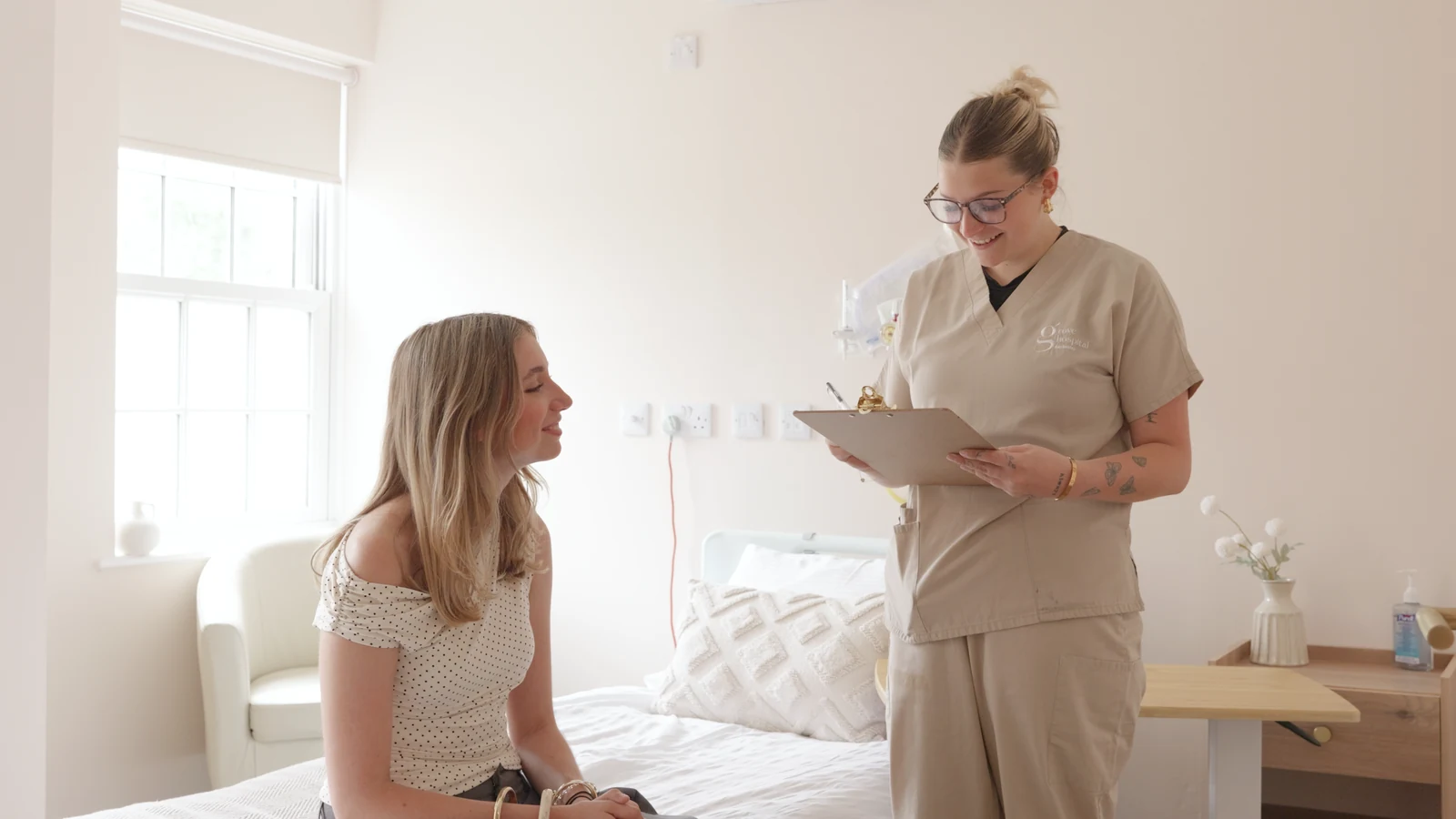
A few weeks before surgery
Pre-operative assessment
In the weeks before surgery you will have blood tests, an ECG if appropriate, and a meeting with your consultant anaesthetist. We will also fit you for your post-surgical garment so you have it ready for the day.
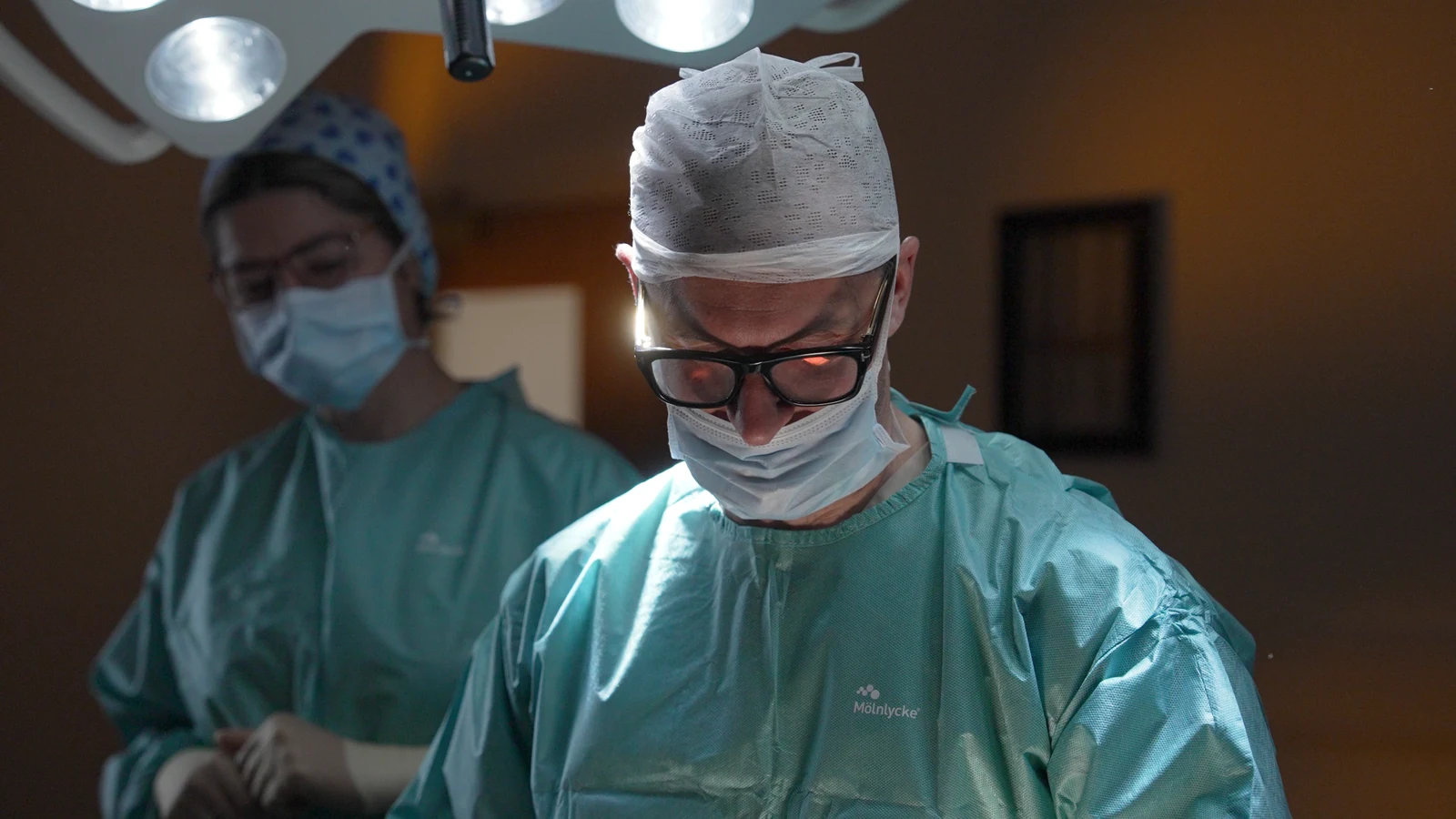
The day of surgery
Pre-operative assessment
You will be admitted to your own private en-suite room in the morning. Your surgeon will see you before theatre to confirm the surgical plan and mark your skin. Surgery typically takes two to four hours under general anaesthetic. You will return to your room afterwards, looked after by our nursing team, and stay overnight.
Following the procedure
Going home
You will be discharged the day after surgery once we are satisfied that you are comfortable and recovering well. You will need someone to drive you home and stay with you for the first 24 - 48 hours.
Your consultation fee is redeemable against the cost of your
treatment. If you are not suitable for the procedure,
this
fee is fully refundable.
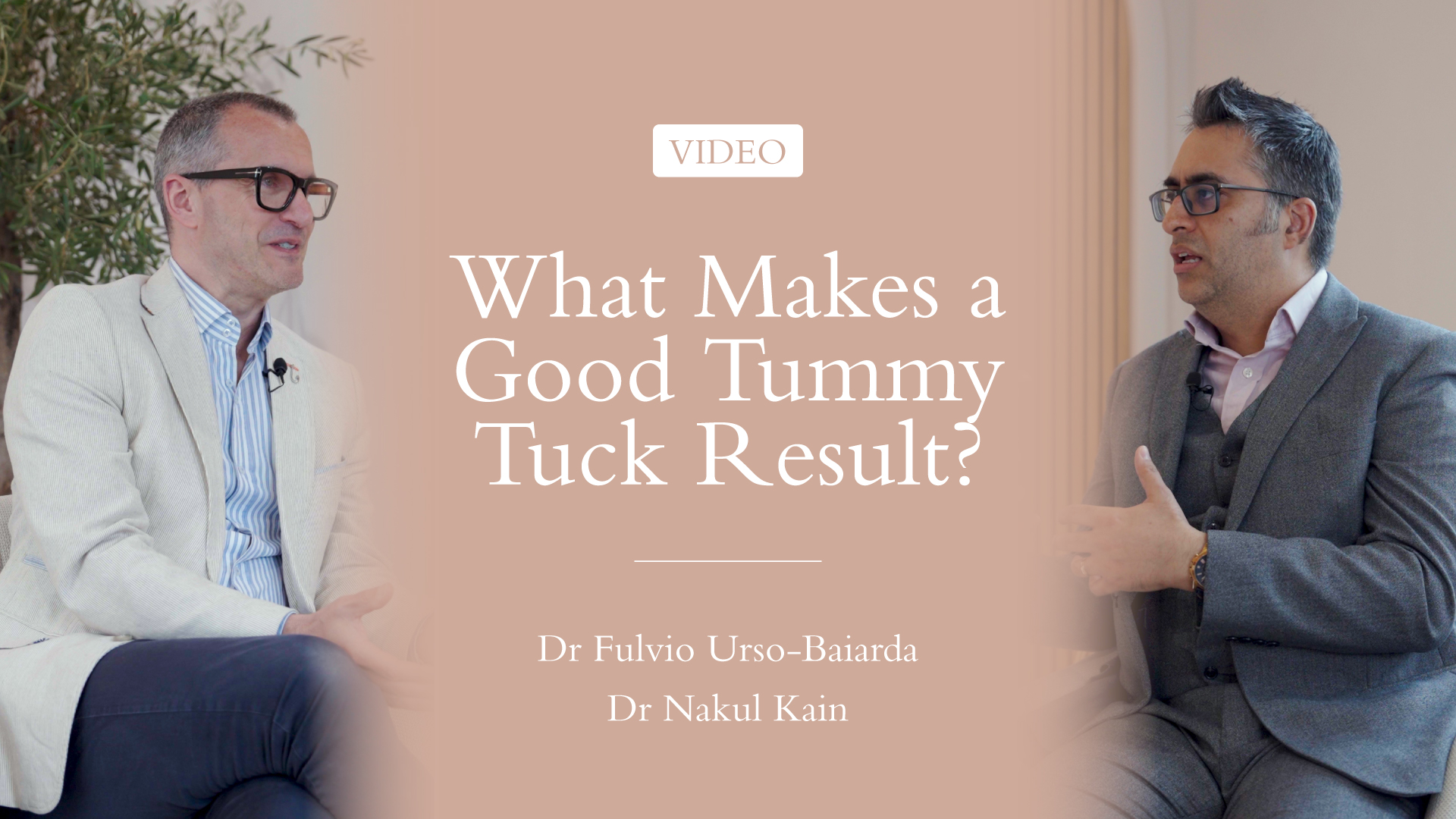
What really goes into a tummy tuck?
Two surgeons can perform what sounds like the same procedure on paper - but the decisions made during surgery can shape the final result.
A tummy tuck is about far more than simply pulling the skin tighter.
Consultant Plastic Surgeons Dr Fulvio Urso-Baiarda and Dr Nakul Patel discuss some of the finer details they consider when planning and performing abdominoplasty - from progressive tension sutures and belly button scars to creating natural contours, defining the waist and using radiofrequency to support more uniform tissue tightening.
Click to listen and find out more
Your Recovery
Recovery from an abdominoplasty is worth planning for properly. The timeline below is typical; your surgeon will give you specific guidance based on your procedure.
What we provide
- Consultant follow-up at scheduled intervals
- Nurse-led wound checks in the early weeks
- Direct telephone access to our team - out of hours included
- Scar management guidance and products
- A clear plan for what to do if you have any concerns
Expect your abdomen to feel tight and sore, with swelling at its most noticeable during the first few days. Take the painkillers provided and spend plenty of time resting, while getting up regularly for short, gentle walks. You will need to avoid lifting, stretching and strenuous activity. Most patients stay with us overnight and go home the following day once they are comfortable and recovering well.
Swelling and tightness should begin to ease, and moving around will gradually feel more comfortable. Many patients with desk-based jobs can return to work during this period, depending on how they are recovering. Continue with gentle walking and everyday activity, but avoid heavy lifting, strenuous exercise and anything that places significant strain on your abdomen.
Energy levels should continue to improve and everyday movement will feel easier as swelling and tightness gradually settle. You can become more active around the house and take longer walks, but strenuous exercise, heavy lifting and activities that place significant strain on your abdomen should still be avoided. Your surgical team will continue to review your healing and advise you on when it is safe to increase activity.
Most patients are moving much more comfortably and can gradually return to normal day-to-day activity. Swelling may still be present, particularly later in the day, but should continue to settle. Exercise can begin to increase with your surgeon’s clearance, although heavy lifting and strenuous abdominal exercise may still need to wait. Full recovery is usually around 4–6 weeks, depending on the extent of your surgery and how you are healing.
Most normal activities can gradually resume, with exercise increasing as your surgeon advises. Your abdomen should feel more comfortable and natural as residual swelling continues to settle, although some tightness or numbness may remain. By around three months, most patients can return to full exercise, including more strenuous activity, once cleared by their surgeon.
Your final abdominal shape becomes clearer as the remaining swelling settles and the tissues continue to soften. Numbness or altered sensation may continue to improve over several months, while your scars gradually mature and fade. Maintaining a stable weight will help preserve your result as your body continues to heal and settle.
Mini abdominoplasty
A smaller operation through a shorter incision, suited to people with a modest amount of loose skin below the navel and no significant muscle separation. The belly button is not repositioned. Recovery is faster than a full procedure.
Full abdominoplasty
The most commonly performed version. A longer incision low across the abdomen allows removal of skin from above and below the navel, repair of the muscle wall and repositioning of the belly button. Suits most post-pregnancy and post-weight loss patients.
Extended abdominoplasty
A full abdominoplasty extended around the flanks. Usually appropriate after very significant weight loss, where excess skin extends around the front of the abdomen.
Fleur-de-lys abdominoplasty
Usually considered where there is significant excess skin both vertically and horizontally, often following substantial weight loss. As well as the horizontal incision used in a full abdominoplasty, a vertical incision is made along the abdomen to allow additional skin to be removed.
Endoscopic abdominoplasty
A less common approach for patients with abdominal muscle separation but little or no excess skin. Using smaller incisions, the abdominal wall can be repaired without the more extensive skin removal required in a full abdominoplasty.
Combined with liposuction
Liposuction can be combined with abdominoplasty where localised areas of fat also affect the overall contour. Your surgeon will assess whether combining the two procedures could help create a more balanced abdominal shape.
Explore your choices on a custom design with our expert plastic surgeons here at Berkshire Grove Hospital.
PATIENT CONSENT AND DISCLAIMER — TEAM TO SUPPLY
"I had the most incredible experience at Berkshire Grove with Miss Teo. Start to finish my stay at the hospital was made comfortable and I was extremely well looked after by every member of the team. I could not fault them and I am so happy with my results! Thanks to everyone who looked after me."
Risks and safety
Abdominoplasty is a commonly performed and generally very successful operation. Like all surgery, it has risks. Your surgeon will discuss all of these with you in detail at consultation, and you will receive written information to take away.
Common risks
Bruising and swelling are universal and resolve over weeks to months. Some altered sensation in the lower abdomen is normal and usually settles. Scarring is a certainty - every patient is left with a long, low scar across the lower abdomen and around the belly button, designed to sit below underwear or swimwear. How that scar matures varies between individuals.
Less common risks
Seroma (a collection of fluid under the skin) occurs in a minority of patients and is usually managed with a simple drainage in clinic. Minor wound healing issues can occur, particularly in smokers and people with diabetes. Occasionally further surgery is needed to refine the result.
Rare risks
Infection, deep vein thrombosis, pulmonary embolism, anaesthetic reactions, bleeding requiring re-operation, and very rarely skin loss or significant scar problems. These are uncommon but real, and we manage them actively - early mobilisation, anti-clot injections, antibiotic protocols, and the infrastructure to handle complications immediately if they arise.
Risk management
Performing surgery of this size in a full registered hospital, rather than a clinic with hired theatre time, materially changes how risk is managed. Our consultant anaesthetists are on site through your stay. Our own nursing team looks after you overnight. We have full resuscitation capability and clear escalation protocols. If anything ever needs urgent escalation, the infrastructure is here, not somewhere else. Most cosmetic surgery providers in the UK cannot say this. Your surgeon will provide full written information on all risks, your specific risk profile, and how we mitigate each one — well in advance of any decision to proceed.
Your surgeon will discuss surgical safety in great detail with you at your first and second visits, and you will have ample opportunity to ask any questions you have.
Tummy tuck cost
What's included
- Initial consultation with your chosen consultant surgeon
- Second consultation before booking (cooling-off period)
- Pre-operative assessment, blood tests and consultant anaesthetist meeting
- Surgery and consultant anaesthetist fee
- One night's accommodation in a private en-suite room
- Compression garment
- All scheduled post-operative follow-up appointments
- Direct out-of-hours telephone access to our clinical team
Indicative costs
Payment is due in stages - a deposit at booking, and the balance ahead of surgery. We accept payment by card or bank transfer. Payment plans are available through Kandoo for patients who would like to spread the cost.
Health insurance does not generally cover cosmetic abdominoplasty.
Meet Your Surgeons

Mr Kuen Yeow Chin
MBChB, MRCS, MSc, FRCS (Plast)
Patients say...
“My experience has been excellent. He is very clear, has given me time. Given excellent information and I feel very safe and secure with him.”

Ms Isabel Teo
MBChB, MRCS, MSc, FRCS (Plast)
Patients say...
“Ms Teo was great, really pleasant and put me at ease straight away. She was attentive and listened to my concerns following a previous surgery.”
Mr Fulvio Urso-Baiarda
BM BCH MA Hons (OXON) MD (Res) FRCS (Plast) | CEO at Berkshire Grove
Patients say...
“I am so thrilled with the end result and love my new body. He is truly an artist.”
Abdominoplasty Frequently Asked Questions
There isn't one BMI that determines whether a tummy tuck is right for you. Your surgeon will consider your weight alongside your overall health, medical history, the type of procedure you need and whether your weight is stable. If losing weight before surgery would make the procedure safer or help you achieve a better result, they will be open with you about that at consultation.
Yes. Smoking can significantly affect how well your wounds heal and increase the risk of complications after a tummy tuck. Your surgeon will ask about smoking at consultation and advise you on when you need to stop before surgery and how long to avoid it afterwards. It is important to be completely open about smoking or nicotine use - even occasionally - so your surgeon can plan your procedure and recovery as safely as possible.
If you are planning more children, it is usually worth waiting. Pregnancy stretches the abdominal skin and muscles again, which can change the result of a tummy tuck and may mean you want further surgery afterwards. If your family is complete, the result is more likely to remain stable, particularly if your weight stays steady.
A tummy tuck will leave a permanent scar across the lower abdomen, and usually another around the belly button. Your surgeon will carefully position the lower scar so that it sits beneath underwear or swimwear wherever possible. It will initially look more noticeable and gradually soften and fade as it matures, although it will not disappear completely. The final appearance varies from person to person, and we will give you guidance on scar care throughout your recovery.
That is the aim. During a full tummy tuck, the belly button usually needs to be repositioned as the surrounding skin is tightened. Your surgeon will carefully plan its position, shape and surrounding scar so that it looks in proportion with your abdomen. There will be a scar around the belly button, which should soften and fade with time. Your surgeon can show you examples of their results at consultation and explain what is realistic for your individual anatomy.
A tummy tuck is not a weight-loss procedure. Some weight is lost because excess skin and tissue are removed, but the purpose of the operation is to reshape the abdomen rather than reduce your weight. The best results are usually achieved when you are already at a stable weight that you are comfortable maintaining.
Small changes in weight are unlikely to undo your result, but significant weight gain can stretch the abdominal skin and change your shape again. The same is true of substantial weight loss after surgery, which can leave further loose skin. For the most lasting result, we recommend having a tummy tuck once you have reached a stable weight that you feel able to maintain. Your body will naturally continue to change with age, but a steady weight will help protect the result.
Most patients need to wait a few weeks before having sex after a tummy tuck. In the early stages of recovery, your abdomen needs time to heal and you should avoid anything that puts strain or pressure on the surgical area. Exactly when it is safe will depend on your procedure and how your recovery is progressing.
Some numbness or altered sensation in the lower abdomen is normal after a tummy tuck because small nerves are affected during surgery. Sensation usually improves gradually as the area heals, although it can take several months and some patients are left with a degree of permanent numbness. Your surgeon will explain what to expect based on the type of tummy tuck you are having and the extent of the surgery.
Yes, in some cases. A tummy tuck can be combined with breast augmentation, a breast lift or breast reduction, particularly for patients considering surgery after pregnancy or significant weight loss. Whether combining procedures is appropriate depends on your health, the operations involved and how much surgery can be performed safely at one time. Your surgeon will discuss the options with you and may recommend either a combined procedure or separate operations if that is the safer approach.
You will still have direct access to our clinical team after you leave hospital, including an out-of-hours telephone number if you are concerned about anything during your recovery. We will explain what is normal, what to look out for and when to contact us before you go home. Nurse-led wound checks are also done in the first few weeks post operation.
You do not need to have decided before you contact us. Our tummy tuck surgeons are all experienced consultant plastic surgeons, but each brings their own areas of expertise, approach and experience. We can help you understand those differences and choose a surgeon who is well suited to what you want to achieve. Your consultation is also an opportunity to make sure you feel comfortable with them, understand their recommendations and have confidence in the surgical plan before making any decision.
Your first consultation is a thorough clinical assessment with the consultant who would perform your surgery. They will discuss your medical history, examine your abdomen and talk through what you would like to achieve, as well as which type of tummy tuck may be most appropriate. You will have plenty of time to discuss the procedure, recovery, risks, scarring and costs, and to ask questions. There is no pressure to decide: a second consultation and cooling-off period take place before any surgery is booked.